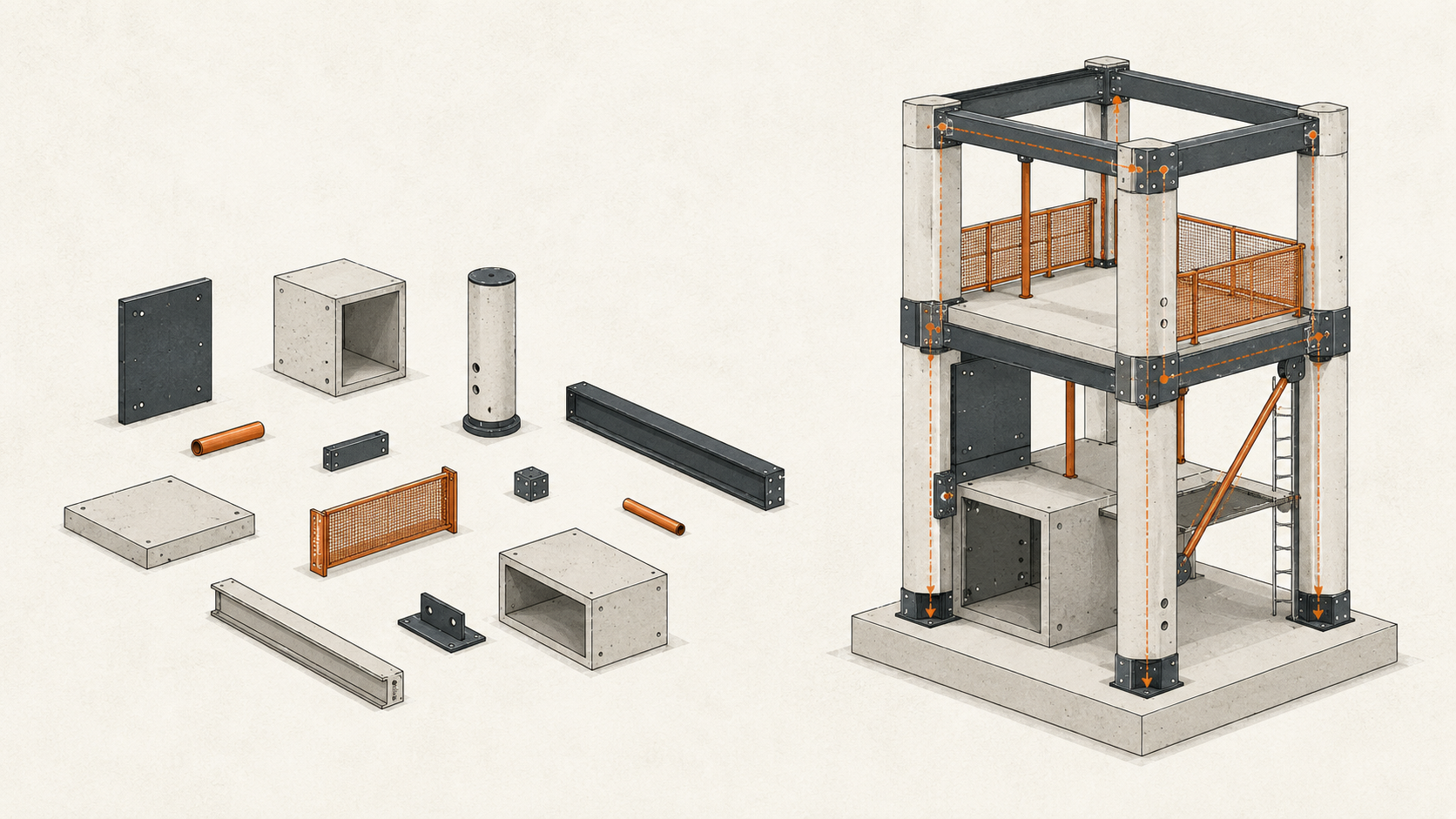
One argument, in three moves.
A firm buys capability it did not build. What it earns from that purchase depends almost entirely on the half of the exchange nobody sells it. Part one defines that half as the demand side. It names the parts and the three points where the return goes missing. Part two shows that the largest of those losses is not a demand-side failure at all. The gain never arrives, because a purchase is only a component, and nothing in it designs the system around itself. Part three asks who authored the rules that the system runs on. It sets out what leadership should require instead of what suppliers report, and which decisions it cannot delegate.
The through-line is authorship. Each part arrives at the same place from a different direction. A firm that did not decide has still decided. A supplier or a default decided for it.
This series is for CEOs, COOs, CFOs, and boards. It assumes no technical background and offers no implementation advice.
- The Half Nobody Sells You. What your half of the exchange contains, and the three points where the return goes missing.
- Components Are Not Systems. Who you are actually trading with, and why a purchase never assembles an operating model around itself.
- The Operating Model You Did Not Author. Six questions about the rules you inherited. What to measure instead of what suppliers report, and the four decisions that stay with leadership.